From Chests to Closets: What History Teaches About Simpler Clothing Storage
Problem: Why so many closets feel like overcrowded, confusing spaces
Contemporary closets can quickly become catchalls: a mixture of off-season items, impulsive purchases, and everything you meant to mend. The result is wasted time, decision fatigue, and a nagging feeling that you don’t really “own” your clothes. The problem is not just volume; it’s how items are stored. When there’s no consistent method, visibility and access suffer.
Looking back at how people stored clothing for centuries helps clarify practical, low-tech fixes. Historical methods were shaped by scarcity, mobility, and a need for preservation—constraints that led to clear, resilient practices still useful today.
Principles: Timeless storage ideas drawn from history
The way people kept garments before modern closets reveals a few recurring principles. Adopted thoughtfully, these principles make a modern closet calmer and more usable.
- Containment with purpose. Early storage often focused on a single, purpose-built container—trunk, wardrobe, or chest—so belongings were grouped and protected. Translate this to modern spaces by creating dedicated bins or zones for categories like knitwear, workout clothes, or scarves.
- Rotation and seasonality. Before central heating and year-round wardrobes, clothes were rotated with the seasons. Storing off-season pieces separately keeps daily choices limited and the current wardrobe visible.
- Visibility and surface care. Valuable garments were displayed or folded with care to prevent damage. Simple visibility—what you can actually see—reduces redundancy and wasted purchases.
- Modularity and transportability. Trunks and wardrobes were designed to move. Favor small, repeatable storage units (baskets, shallow boxes) that can be rearranged as needs change.
- Maintenance built into use. Historical routines included regular airing, mending, and re-smelling to keep items wearable. Modern closets benefit from quick, scheduled maintenance to prevent accumulation of the “someday” pile.
Examples: Applying history-based principles to common closet problems
Small bedroom closet: Make each square inch purposeful
Problem: Everything is crammed onto a single rod, with shoes and boxes blocking access.
- Create vertical zones: hang frequently worn items at eye level, reserve lower space for shoes in matching boxes, and use the top shelf for truly infrequent items (vacation or formal wear).
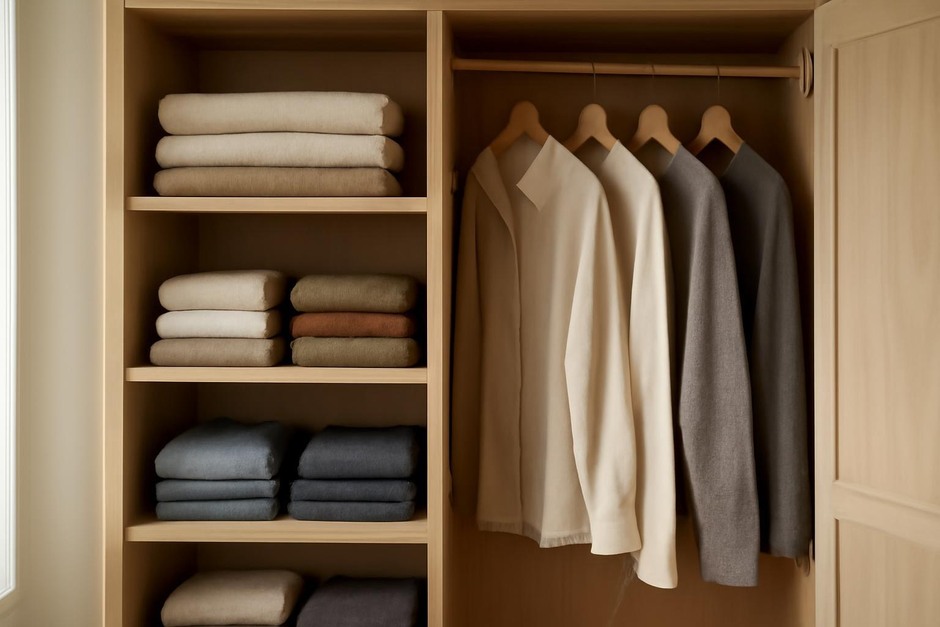
- Use uniform hangers to save space and create a streamlined line—this makes it easier to see gaps and to notice items you haven’t worn.
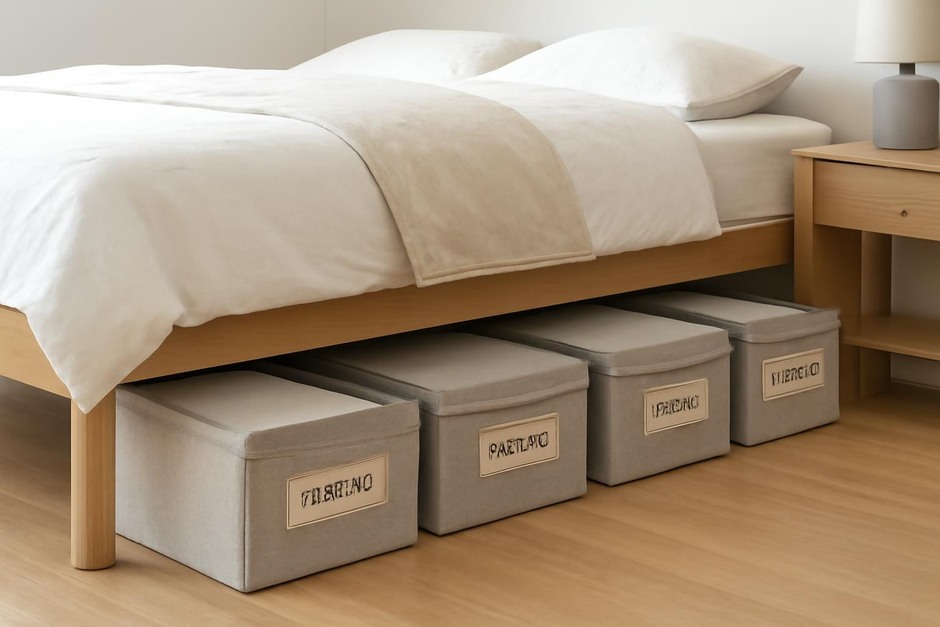
- Adopt a seasonal rotation: keep two vacuum-seal bags or a labeled trunk for off-season clothes and swap them out twice a year.
Shared closet: Respect and delineate without building walls
Problem: Two people’s stuff mixes, creating frustration.
- Divide horizontally rather than vertically—each person gets a top shelf, middle hanging section, and lower shoe area. This preserves symmetry for pair items (coats, jackets).
- Use small bins for shared accessories (belts, scarves) that sit on a neutral shelf. Labeling keeps retrieval efficient and reduces accidental borrowing.
Open shelving and wardrobes: Keep display intentional
Problem: Open storage looks busy and collects dust.
- Limit the number of items per shelf. Borrow the curated approach of historical wardrobes—display a few neatly folded items and keep the rest tucked away.
- Use uniform baskets for smaller items. Baskets hide visual clutter while remaining portable.
Practice checklist: A short routine to make your closet calmer this weekend
- Clear one section. Empty a single shelf or the left half of your closet. Work small to avoid overwhelm.
- Sort into four piles: Keep, Mend/Alter, Donate, Store (off-season).
- Contain and label: Put like items into identical containers or baskets so each category has a home.
- Set visibility rules: Hang frequently worn items, fold bulkiest knits on a shelf, and keep accessories in shallow trays.
- Schedule rotation: Pick two dates per year to swap seasonal boxes—spring and fall work well.
- Quick maintenance: Spend five minutes each Sunday straightening hangers and returning misplaced items.
By borrowing a few straightforward habits from historical storage—purposeful containment, seasonal rotation, visible care—you can transform a crowded closet into a calm, usable space. The point isn’t perfect minimalism; it’s a set of small, repeatable practices that make everyday dressing easier.